The Future of CNC Machining in Plastic Component Production
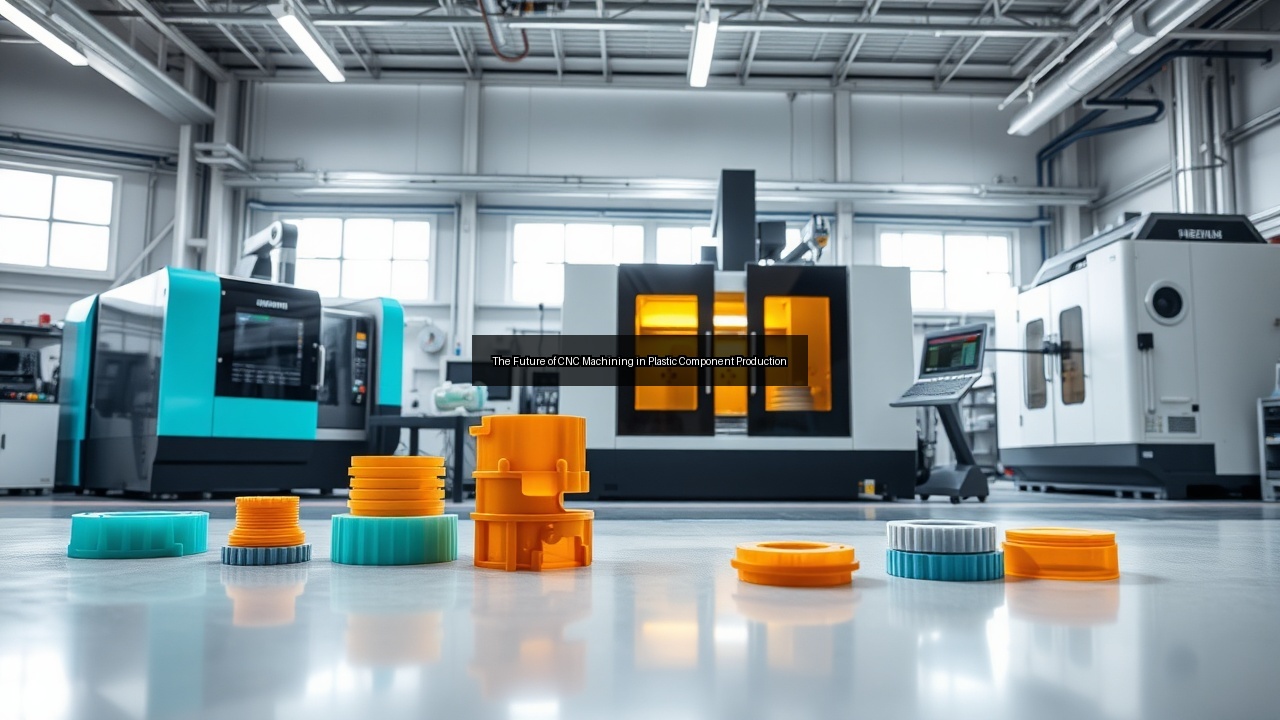
Advancements in CNC Machinery for Plastic Fabrication
Emerging CNC Technologies
CNC machinery now drives faster cycles in plastic fabrication through multi-axis systems that handle complex geometries without secondary setups. These machines process engineering plastics with higher spindle speeds and adaptive controls that adjust feeds on the fly. Manufacturers adopt laser-assisted machining to reduce tool wear on tough composites. New software integrates real-time monitoring that flags deviations before they affect machined plastic components. Companies report shorter lead times when they pair these technologies with automated tool changers. The shift toward hybrid machines that combine additive and subtractive methods opens routes for prototypes that transition directly into production runs of cnc machined plastic parts.
Integration of Robotics in CNC Machining
Robots load and unload parts on CNC machines to keep plastic fabrication lines running without pauses. Six-axis arms position machined plastic components for inspection or secondary operations inside the same cell. Collaborative robots work beside operators to handle repetitive tasks while machinists focus on programming and quality checks. Integration software links robot paths to machine cycles so batch production stays synchronized. Companies that install these systems cut labor costs and raise output of cnc machined plastic components. The technology also reduces handling damage on delicate plastics during transfer between stations.
High-Precision CNC Machines for Plastics
High-precision CNC machines hold tight tolerances on machined plastic parts that demand micron-level accuracy. Temperature-controlled environments prevent expansion issues common with engineering plastics during long runs. Linear scales and thermal compensation software maintain dimensional stability across batch production. Tool holders with vibration damping allow finer finishes on composites without chatter. Manufacturers rely on these machines to produce plastic cnc machined components for medical and aerospace assemblies. Consistent results across hundreds of parts strengthen supply chains that depend on repeatable machined plastic components.
Material Innovations in Machined Plastic Components
Engineering Plastics and Their Applications
Engineering plastics such as PEEK and Ultem replace metals in high-stress environments where weight matters. CNC machining shapes these materials into seals, gears, and housings that withstand chemicals and heat. Machinists adjust speeds and coolants to avoid melting or cracking during cuts. Parts made from these plastics appear in automotive sensors and semiconductor equipment. Their dimensional stability supports tight tolerances that metal alternatives struggle to match at lower cost. Selection depends on load, temperature, and chemical exposure requirements for each machined plastic component.
Composites in CNC Machining
Composites combine plastics with carbon or glass fibers to increase stiffness and strength. CNC machining trims these materials into brackets, panels, and structural inserts used in transportation and industrial equipment. Special diamond-coated tools prevent delamination when cutting fiber-reinforced stock. Dust extraction systems capture abrasive particles that would otherwise damage machine components. Companies produce lightweight machined plastic parts that reduce overall assembly weight without sacrificing performance. Proper fixturing keeps composite sheets flat during high-speed operations to preserve accuracy.
Selecting the Right Material for CNC Machined Parts
Engineers review mechanical properties, thermal resistance, and machinability before choosing stock for cnc machined plastic components. They test samples to confirm that dimensions and tolerances remain stable after machining. Cost, availability, and regulatory compliance also influence decisions for batch production. Manufacturers consult material data sheets to match plastics with end-use demands such as food contact or electrical insulation. Early collaboration between designers and machinists prevents costly material switches later in the project. The right choice improves both part longevity and production efficiency for machined plastic components.
Precision and Specifications in CNC Machining
Understanding Dimensions and Tolerances
Dimensions and tolerances dictate how closely machined plastic components match design intent. CNC programming accounts for material spring-back and tool deflection to stay inside specified limits. Inspection with coordinate measuring machines verifies critical features before parts leave the shop. Tight tolerances on plastic machined components require controlled environments and calibrated equipment. Engineers communicate tolerance stack-ups clearly so machinists can prioritize critical dimensions during setup. Meeting these specifications reduces assembly issues downstream and supports reliable performance in final products.
The Importance of Surface Finishing
Surface finishing improves appearance and function of machined plastic parts. Polishing, bead blasting, and vapor smoothing remove tool marks and reduce friction in moving assemblies. Surface treatment also prepares parts for painting or bonding in later stages. CNC machines equipped with finishing passes deliver consistent Ra values across batch production runs. Manufacturers document surface requirements alongside dimensions and tolerances to avoid miscommunication. Proper finishing extends service life of cnc machined plastic components exposed to wear or corrosive media.
Achieving Consistency in Batch Production
Consistency in batch production relies on standardized setups and in-process checks. CNC machinery records tool wear data so operators replace cutters before dimensions drift. Fixture designs that locate every part identically keep tolerances tight throughout the run. Statistical process control tracks key features on machined plastic components to catch variations early. Companies that maintain these disciplines deliver uniform plastic cnc machined components to customers on schedule. Repeatable processes also lower scrap rates and protect profit margins on larger orders.
The Role of Machinists in the Future of Plastic Production
Skills and Training for Modern Machinists
Modern machinists master CAD/CAM software alongside traditional machine operation. Training programs emphasize programming for multi-axis CNC machinery and interpretation of complex specifications. Hands-on experience with engineering plastics and composites builds judgment about feeds, speeds, and fixturing. Certification courses cover safety around robot cells and metrology for tight tolerances. Companies invest in continuous education so their teams stay current with evolving CNC machining technology. Skilled machinists translate design intent into reliable machined plastic components that meet customer expectations.
Collaboration with Engineers and Designers
Machinists work directly with engineers and designers to refine part geometry for manufacturability. Early input on draft angles, wall thickness, and tool access prevents problems during plastic fabrication. Joint reviews identify opportunities to combine features or relax non-critical tolerances without affecting function. This collaboration shortens development cycles for cnc machined plastic parts and reduces revision loops. Clear communication channels ensure that material choices and surface finishing requirements align with production capabilities. The result is higher-quality machined plastic components delivered faster.
Future Job Landscape in CNC Machining
Demand grows for machinists who understand both traditional cutting and digital workflows. Automation handles routine tasks, yet human oversight remains essential for troubleshooting and quality decisions. Job roles expand to include robot programming and data analysis for predictive maintenance on CNC machines. Companies seek candidates comfortable with composites and high-performance plastics used in advanced assemblies. Career paths lead toward programming, process engineering, or shop supervision. The landscape rewards adaptability and technical depth in the production of precision machined plastic components.
Challenges and Opportunities in CNC Machining
Overcoming Production Challenges
Production challenges include material distortion, tool breakage, and fixture slippage when machining plastics. Solutions start with proper stock conditioning and optimized cutting parameters. Vibration monitoring detects issues before they scrap parts. Shops standardize work instructions to reduce variability across shifts. Investment in high-rigidity CNC machinery improves stability on difficult composites. Addressing these hurdles raises first-pass yield and protects delivery commitments for machined plastic components.
Sustainability in Plastic Component Manufacturing
Sustainability efforts focus on recycling machining chips and selecting bio-based or recyclable plastics. Closed-loop systems capture and reprocess waste from cnc machined plastic parts. Energy-efficient spindles and optimized tool paths lower power consumption during production. Manufacturers explore water-based coolants that reduce environmental impact compared with traditional fluids. These practices meet customer expectations for responsible sourcing while controlling costs. Sustainable methods also open new markets for machined plastic components in eco-conscious industries.
Future Trends in CNC Machining Technology
Future trends point toward greater connectivity through IoT sensors that feed machine data into cloud analytics. Artificial intelligence will optimize cutting parameters in real time for new plastics and composites. Five-axis and hybrid machines will handle more intricate geometries in single setups. Additive features integrated into CNC platforms will enable rapid tooling changes and part customization. Companies that adopt these advances will produce higher volumes of precise machined plastic components with shorter lead times. The technology continues to expand what plastic fabrication can achieve.